

Choosing the perfect range comes down to your cooking habits, kitchen layout, and preferred fuel type. Gas offers precision, induction delivers speed and efficiency, and electric provides consistency. Consider size, features, and ventilation to match your lifestyle and long-term needs.
To pick the perfect range for your cooking style, evaluate how you cook most often, choose the right fuel type (gas, electric, or induction), match the size to your kitchen, and prioritize features like convection, smart controls, and burner power. Your ideal range should align with your cooking frequency, techniques, and kitchen design.
Why Your Cooking Style Should Guide Your Range Choice
Not all ranges are created equal, and the wrong one can slow you down, limit your creativity, or waste energy. The best range enhances how you naturally cook, whether that’s quick weeknight meals, gourmet experiments, or entertaining large groups. Most buyers focus on brand or aesthetics first, but performance alignment with cooking behavior has a far greater impact on long-term satisfaction and ROI.
Step 1: Identify Your Cooking Style
Casual or Everyday Cook
- Priorities: Simplicity, reliability, easy cleaning
- Best fit: Electric or basic gas range
- Features to look for:
- Smooth cooktop surface
- Standard oven modes
- Self-cleaning function
Enthusiast or Home Chef
- Priorities: Control, versatility, precision
- Best fit: Gas or induction
- Features to look for:
- High BTU burners or fast induction zones
- Convection oven
- Multiple rack positions
Entertainer or Large Family Cook
- Priorities: Capacity, multitasking
- Best fit: Dual-fuel or double oven ranges
- Features to look for:
- Double ovens
- Wide cooktop (36”+)
- Simultaneous cooking modes
Precision-Focused (Baking & Specialty Cooking)
- Priorities: Consistent heat, accuracy
- Best fit: Electric or dual-fuel
- Features to look for:
- True convection baking
- Temperature probes
- Even heat distribution
Step 2: Choose the Right Fuel Type
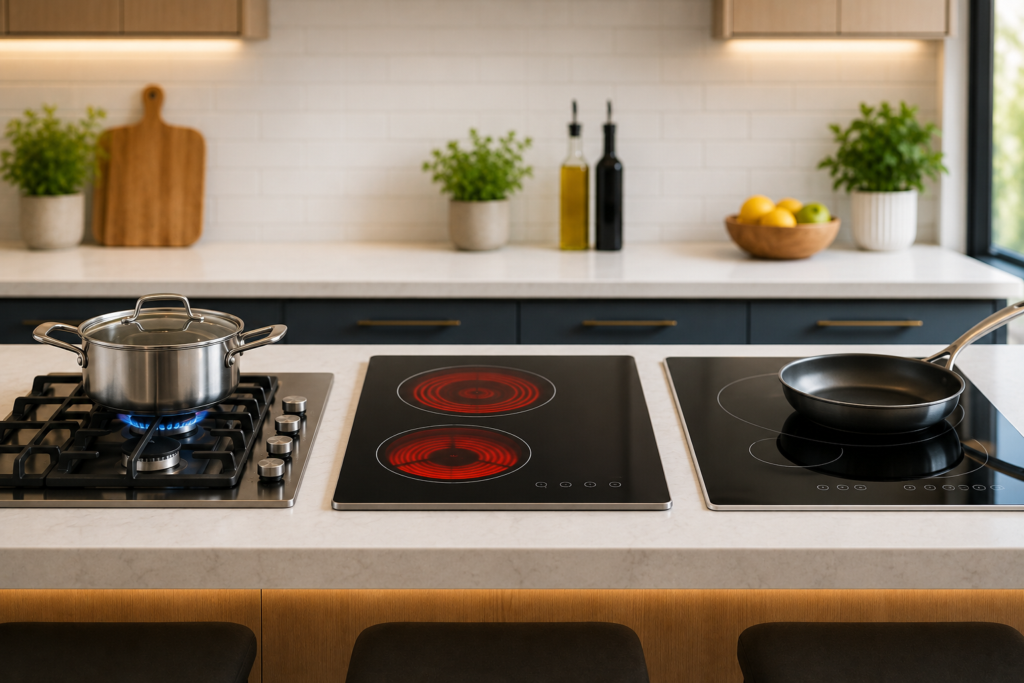
Gas Ranges
Best for: Hands-on cooks who want flame control
Pros:
- Instant heat adjustment
- Visual flame feedback
- Works during power outages
Cons:
- Less even oven heat
- Requires gas line
Electric Ranges
Best for: Baking and consistent heat
Pros:
- Even oven temperature
- Lower upfront cost
- Easy to clean (glass tops)
Cons:
- Slower heat response
- Limited precision
Induction Ranges
Best for: Speed, efficiency, modern kitchens
Pros:
- Fastest heating
- Energy-efficient
- Safer (cool surface)
Cons:
- Requires compatible cookware
- Higher upfront cost
Dual-Fuel Ranges
Best for: Serious cooks who want the best of both
Pros:
- Gas cooktop + electric oven
- Precision + consistency
Cons:
- Higher cost
- Requires both gas and electric connections
Step 3: Pick the Right Size & Configuration
Standard Sizes
- 30-inch range: Ideal for most kitchens
- 36-inch+ range: Better for advanced cooking and entertaining
Oven Configurations
- Single oven: Best for smaller households
- Double oven: Ideal for multitasking and holidays
Cooktop Layout
- 4 burners: Standard use
- 5–6 burners: Better flexibility
Burner spacing matters more than burner count—tight layouts can limit simultaneous cooking with large pans.
Step 4: Evaluate Must-Have Features
Performance Features
- Convection cooking (faster, more even results)
- High BTU burners (for searing and boiling)
- Simmer settings (for sauces and delicate cooking)
Smart & Convenience Features
- Wi-Fi connectivity for remote control
- Voice assistant compatibility
- Self-cleaning or steam-clean options
Safety Features
- Auto shut-off
- Child locks
- Cool-touch surfaces (induction)
Step 5: Consider Your Kitchen Setup
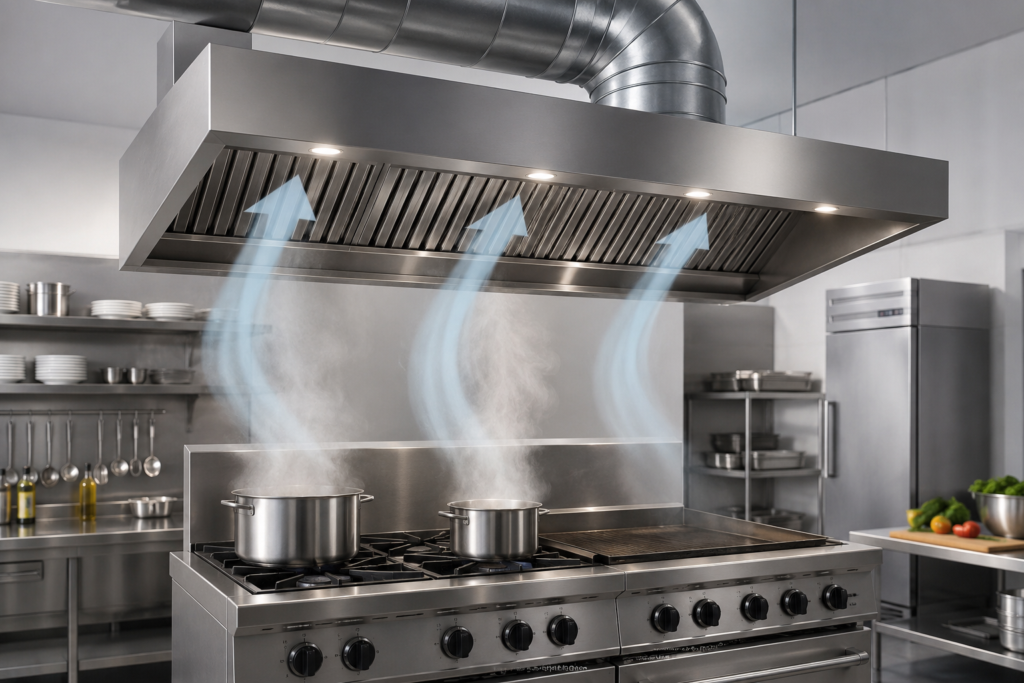
Ventilation Requirements
- Gas and high-BTU ranges need strong ventilation
- Consider upgrading your hood if switching fuel types
Electrical & Gas Connections
- Induction requires upgraded electrical capacity
- Dual-fuel ranges need both gas and electric hookups
Design & Aesthetics
- Match finishes (stainless steel, matte black, custom panels)
- Consider pro-style vs. slide-in designs
Range Comparison Table
| Feature | Gas Range | Electric Range | Induction Range | Dual-Fuel Range |
| Heat Control | Excellent | Moderate | Excellent | Excellent |
| Cooking Speed | Fast | Moderate | Very Fast | Fast |
| Baking Performance | Moderate | Excellent | Excellent | Excellent |
| Energy Efficiency | Moderate | Moderate | High | Moderate |
| Upfront Cost | $$ | $ | $$$ | $$$$ |
| Best For | Chefs, sautéing | Bakers | Modern kitchens | Serious home chefs |
Common Mistakes to Avoid
- Choosing based on looks alone: Performance should come first
- Ignoring ventilation needs: Leads to poor air quality
- Overpaying for unused features: Match features to real habits
- Not measuring space accurately: Leads to installation issues
How to Future-Proof Your Range Choice
- Opt for energy-efficient models (especially induction)
- Choose adaptable features (smart controls, flexible burners)
- Invest in quality materials for long-term durability
Induction adoption is rapidly increasing due to energy regulations and efficiency standards—making it a smart long-term investment for resale value.
Find Your Perfect Range at Howard Payne Company
Choosing the right range is easier when you can see and compare options in person. At Howard Payne Company, our experts help you match your cooking style with the perfect appliance, whether you’re upgrading your kitchen or designing a new one.
Visit our showroom or speak with a specialist today to find a range that fits your lifestyle, not just your kitchen.
FAQ Section
What type of range is best for home chefs?
Gas or dual-fuel ranges are best for home chefs because they offer precise heat control and versatile cooking performance.
Is induction better than gas?
Induction is more energy-efficient and faster than gas, but gas offers more tactile control for traditional cooking techniques.
What size range should I choose?
A 30-inch range suits most kitchens, while 36-inch or larger ranges are ideal for frequent cooking and entertaining.
Are dual-fuel ranges worth it?
Yes, dual-fuel ranges combine the precision of gas cooktops with the consistency of electric ovens, making them ideal for serious cooks.
Do I need special cookware for induction?
Yes, induction ranges require magnetic cookware such as cast iron or stainless steel.