

Choosing a new cooktop is one of the most important decisions we make when designing or renovating a kitchen. The cooktop affects how quickly we can prepare meals, how precisely we can control temperature, how easy the kitchen is to clean, and how the appliance integrates with the overall design.
Today, homeowners have three primary technologies to consider: gas, traditional electric, and induction cooktops. Each offers a different combination of performance, convenience, energy efficiency, cookware compatibility, installation requirements, and aesthetics.
For homeowners creating a high-end kitchen, the decision becomes even more important because premium cooktops are designed not merely to provide heat, but to deliver a highly refined cooking experience.
At Howard Payne Company, we help Atlanta-area homeowners compare premium appliances from leading manufacturers, including Wolf, Miele, Thermador, Viking, KitchenAid, Monogram, Sub-Zero, and other respected brands. Our product selection includes sophisticated cooking solutions designed for a wide range of kitchen styles and cooking preferences.
Gas vs. Electric vs. Induction Cooktops: At a Glance
Before choosing a specific model, it helps to understand the fundamental differences between the three technologies.
| Feature | Gas Cooktop | Electric Cooktop | Induction Cooktop |
| Heat source | Open gas flame | Electrical heating element | Electromagnetic energy |
| Heat response | Excellent | Moderate | Excellent |
| Temperature control | Highly responsive | Gradual | Highly precise |
| Surface temperature | Hot | Hot | Relatively cooler |
| Cookware compatibility | Excellent | Excellent | Requires magnetic cookware |
| Cleaning | More involved | Relatively easy | Very easy |
| Visual flame | Yes | No | No |
| Energy efficiency | Lower | Moderate | High |
| Installation | Gas connection required | Electrical connection | Dedicated electrical capacity may be required |
| Best suited for | Traditional and high-heat cooking | Everyday cooking and baking | Precision, speed, efficiency, and modern kitchens |
There is no universal winner. The best cooktop depends on how we cook, the design of our kitchen, the available utilities, and the features we value most.
How Gas Cooktops Work
Gas cooktops use burners that produce an open flame beneath the cookware. Turning the control adjusts the amount of gas reaching the burner, allowing us to immediately increase or decrease the flame.
For generations, gas has been a favorite among professional chefs and serious home cooks because of its combination of immediate heat, visual feedback, and versatile cooking performance.
One of the biggest advantages is responsiveness. When we turn a gas burner higher, we immediately see and feel the increase in heat. When we lower it, the flame decreases just as quickly.
This makes gas particularly attractive for techniques such as:
- Searing steaks
- Stir-frying
- Charring vegetables
- Sautéing
- Wok cooking
- Boiling large quantities of water
- Cooking with specialty cookware
Premium gas cooktops can also provide multiple burner sizes and output levels, giving us greater flexibility when simultaneously preparing different dishes.
Advantages of Gas Cooktops
Immediate heat control: Gas provides an intuitive relationship between the control knob and the flame.
High heat output: Powerful burners are particularly useful for searing, boiling, and high-temperature cooking.
Visual feedback: We can see the flame and adjust it accordingly.
Broad cookware compatibility: Gas does not require magnetic cookware, so virtually any conventional cookware can be used.
Potential Disadvantages of Gas
Gas cooktops can require more cleaning because of burner caps, grates, and the spaces surrounding the burners. They also introduce an open flame into the kitchen and require an appropriate gas connection and ventilation system.
For these reasons, gas is often best for homeowners who prioritize traditional cooking techniques, tactile control, and high-heat performance.
How Electric Cooktops Work
Traditional electric cooktops generate heat through electrical heating elements beneath or integrated into the cooking surface.
Unlike gas, conventional electric cooking does not produce an open flame. Many modern electric cooktops feature a smooth glass or ceramic surface, creating a clean, streamlined appearance that works particularly well in contemporary kitchens.
Electric cooktops can be an attractive choice for homeowners who want a relatively straightforward cooking surface without the installation requirements associated with a gas line.
Advantages of Electric Cooktops
Electric cooktops offer several practical benefits:
- Smooth, contemporary appearance
- No open flame
- Broad cookware compatibility
- Relatively simple surface cleaning
- Consistent heating
- Familiar operation
A smooth electric surface can also contribute to a minimalist kitchen design because there are fewer visible components when the cooktop is not in use.
Potential Disadvantages of Electric Cooktops
Traditional electric cooking elements generally do not respond as quickly as gas or induction. The element must heat up and cool down, which can make rapid temperature changes less immediate.
The cooking surface also becomes hot during use and can remain hot after cookware is removed.
For homeowners who want straightforward electric cooking without the specialized cookware requirements of induction, however, conventional electric remains a practical option.
How Induction Cooktops Work
Induction technology operates differently from both gas and conventional electric cooking.
Rather than heating an element that subsequently transfers heat to the cookware, an induction cooktop uses an electromagnetic field to generate heat directly within compatible cookware.
This allows induction to deliver exceptionally fast heating and precise temperature control.
Induction has become particularly appealing in high-end kitchens because it combines performance with a sleek, minimalist appearance.
Howard Payne Company offers access to premium manufacturers with induction solutions, including Miele and Wolf, while its broader product portfolio includes other leading luxury appliance brands. Miele, for example, offers both induction and gas cooktops as part of its kitchen appliance lineup.
Advantages of Induction Cooktops
Exceptional speed: Induction can heat compatible cookware extremely quickly.
Precise control: Temperature adjustments can be highly responsive and consistent.
Energy efficiency: Energy is transferred directly into the cookware rather than relying on an open flame or conventional heating element.
Easy cleaning: The flat surface has fewer components and crevices where food can accumulate.
No open flame: Induction eliminates the visible flame associated with gas cooking.
Modern aesthetics: The sleek glass surface integrates naturally into contemporary and minimalist kitchen designs.
Potential Disadvantages of Induction
The most important consideration is cookware compatibility.
Induction requires cookware containing magnetic material. Cast iron and many magnetic stainless-steel cookware pieces work well, while some aluminum, copper, glass, and nonmagnetic stainless-steel cookware may not.
A simple magnet test can help determine whether existing cookware is compatible: if a magnet firmly sticks to the bottom of the pan, it is generally suitable for induction cooking.
Induction can also require significant electrical capacity, particularly when replacing a gas appliance during a kitchen renovation. Electrical requirements should therefore be evaluated during the kitchen-planning stage rather than after cabinetry and countertops have been installed.
Gas vs. Electric vs. Induction: Which Offers the Best Temperature Control?
Temperature control is one of the most important differences among cooktop technologies.
Gas provides extremely intuitive control because we can visually observe the flame. It is particularly satisfying for cooks who prefer physical knobs and direct feedback.
Traditional electric cooking can provide consistent heat, but it generally responds more slowly when we change the temperature.
Induction offers another approach. Because the cookware is heated directly, high-quality induction cooktops can provide extremely responsive control at both high and low temperatures.
For delicate cooking—such as melting chocolate, maintaining a gentle simmer, or preparing sauces—induction can be particularly compelling.
For high-heat techniques involving an open flame, gas may remain the preferred choice.
Which Cooktop Is Easiest to Clean?
For many homeowners, cleaning is nearly as important as cooking performance.
Traditional gas cooktops typically require the most cleaning because food can accumulate around burners and beneath grates. The removable grates themselves may also require regular cleaning.
Traditional electric cooktops with smooth surfaces are easier to wipe down.
Induction generally offers the simplest cleanup experience. Because the surface is flat and there are no conventional burner grates, spills can usually be wiped away with minimal effort.
The cooking surface can still become warm, so we should follow the manufacturer’s cleaning and care instructions rather than treating the surface as completely cool immediately after cooking.
Which Cooktop Is Most Energy Efficient?
Induction is generally the strongest choice when energy efficiency is a major priority because electromagnetic energy is transferred directly to compatible cookware.
Gas cooking loses a significant amount of heat around the cookware because the flame heats both the pan and the surrounding air.
Traditional electric cooking avoids an open flame but still relies on a heating element transferring heat into the cookware.
For homeowners focused on efficient cooking, a cooler kitchen environment, and modern technology, induction deserves serious consideration.
Which Cooktop Is Best for a Luxury Kitchen?
A luxury kitchen is about more than selecting the most expensive appliance. The right appliance should complement our cooking habits, kitchen architecture, ventilation strategy, cabinetry, countertop design, and overall aesthetic.
For a traditional or professional-style kitchen, a powerful gas cooktop or rangetop can create the classic culinary experience many homeowners want.
For a contemporary kitchen, induction can provide a visually minimal surface without sacrificing cooking performance.
Electric can be appropriate when simplicity, familiarity, and a smooth cooking surface are priorities.
Premium manufacturers offer different approaches to all three technologies. Wolf, for example, offers gas and induction cooking solutions, while Miele offers induction and gas cooktops. Bertazzoni also offers gas, electric, and induction cooktop options.
Consider Your Kitchen’s Existing Utilities Before Choosing
The best cooktop on paper may not be the best choice for an existing kitchen if the necessary utilities are unavailable.
Before purchasing, we should evaluate:
- Existing gas service
- Electrical panel capacity
- Dedicated circuit requirements
- Available countertop dimensions
- Cabinet configuration
- Ventilation
- Cutout dimensions
- Cooktop location
- Installation requirements
- Future kitchen renovation plans
This is particularly important when replacing a gas cooktop with induction.
Rather than selecting the appliance first and attempting to make the kitchen accommodate it later, we recommend considering the cooktop, electrical or gas infrastructure, ventilation, cabinetry, and countertop together.
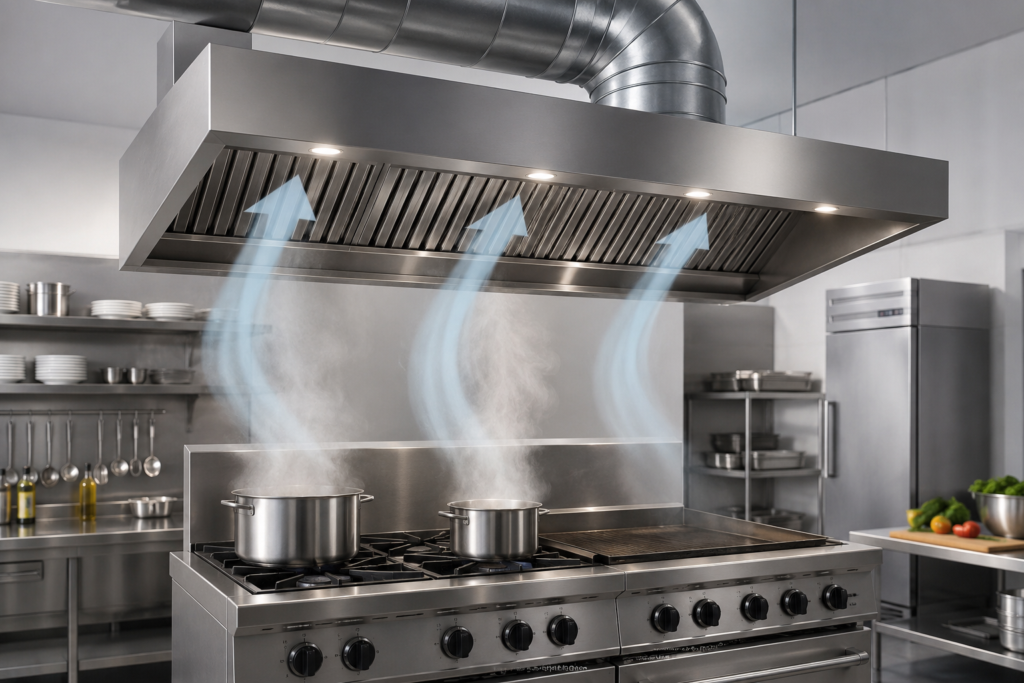
Don’t Overlook Ventilation When Choosing a Cooktop
Cooktop selection and ventilation should be considered together.
Gas cooking introduces combustion products and heat into the kitchen, making properly designed ventilation especially important. High-output cooking also creates substantial heat, smoke, grease, and odors.
Induction eliminates combustion at the cooktop, but it does not eliminate the need for ventilation. Cooking still creates steam, grease, smoke, and airborne particles.
A high-performance kitchen should therefore treat cooktop and ventilation as complementary systems, not independent purchases.
Howard Payne Company offers appliance planning assistance and professional installation support, helping homeowners coordinate their appliance selections as part of the broader kitchen project.
How Cookware Affects Your Decision
Cookware should be part of the decision before purchasing an induction cooktop.
If we already own a collection of premium copper or nonmagnetic cookware, switching to induction may require replacing some pieces.
On the other hand, if we are designing a new kitchen and purchasing cookware at the same time, induction compatibility is relatively easy to incorporate into the plan.
Gas and traditional electric cooktops offer greater freedom because they can work with virtually any cookware material.
Gas, Electric, or Induction: Which One Should We Choose?
We can simplify the decision by matching the cooktop to our priorities.
Choose Gas If We Prioritize:
- Open-flame cooking
- Immediate visual feedback
- High heat
- Wok cooking
- Charring and searing
- Traditional chef-style cooking
- Maximum cookware compatibility
Choose Electric If We Prioritize:
- A straightforward cooking experience
- Smooth-surface design
- No open flame
- Broad cookware compatibility
- Conventional electric operation
Choose Induction If We Prioritize:
- Rapid heating
- Precise temperature control
- Energy efficiency
- Easy cleaning
- A modern aesthetic
- No open flame
- A cooler-feeling kitchen surface
The choice ultimately comes down to how we cook rather than which technology is universally “best.”
Premium Cooktop Brands Available Through Howard Payne Company
For homeowners in Atlanta designing a high-end kitchen, brand selection is another important consideration.
Howard Payne Company’s product portfolio includes premium manufacturers such as Wolf, Miele, Thermador, Viking, Monogram, KitchenAid, and Sub-Zero.
Wolf
Wolf is particularly well known for professional-style cooking performance. Its current product offering includes gas and induction cooktops and rangetops, allowing homeowners to choose the cooking technology that best matches their kitchen and preferences.
Miele
Miele offers sophisticated kitchen appliances with both induction and gas cooktop options, making it a strong consideration for homeowners seeking modern European design and advanced cooking technology.
Thermador
Thermador offers a broad cooking portfolio that includes gas and induction cooktops, providing options for homeowners who want high-performance cooking technology within a luxury kitchen environment.
Rather than choosing a brand based solely on appearance, we recommend comparing cooking performance, dimensions, controls, installation requirements, ventilation, warranty considerations, and the rest of the appliance package.
Why Work With an Appliance Specialist?
Selecting a cooktop is easier when we can evaluate the appliance in the context of the entire kitchen.
Howard Payne Company has served the metropolitan Atlanta market since 1976 and provides consultation, delivery, installation, maintenance, and service support.
Our appliance specialists can help compare cooking technologies, manufacturers, configurations, and features while considering the practical requirements of the kitchen.
For a major kitchen renovation, that expertise can help prevent costly mismatches between the appliance and the home’s electrical, gas, ventilation, cabinetry, or countertop requirements.
See Premium Gas, Electric, and Induction Cooktops at Howard Payne Company
Choosing between gas, electric, and induction becomes much easier when we can compare premium appliances in person.
At Howard Payne Company, homeowners can explore a curated selection of high-end kitchen appliances and receive personalized guidance based on cooking preferences, kitchen design, and project requirements. Our expansive showroom gives homeowners an opportunity to evaluate appliance options before making a significant investment.
Ready to choose the right cooktop for your kitchen? Visit the Howard Payne Company showroom or request a personalized quote. Our appliance specialists can help us compare gas, electric, and induction cooktops and identify the solution that fits our cooking style and kitchen design.
Explore Howard Payne Company’s luxury appliance collection
Request a personalized appliance quote from Howard Payne Company
The Bottom Line
Gas, electric, and induction cooktops each offer meaningful advantages.
Gas is ideal for homeowners who love open-flame cooking, tactile control, and high heat.
Electric is a practical choice for homeowners who prefer conventional electric cooking and a smooth, streamlined surface.
Induction is an excellent option for homeowners seeking speed, precision, efficiency, safety features, and contemporary design.
For a high-end kitchen, the best choice is ultimately the one that aligns the appliance’s performance with the way we actually cook.
Howard Payne Company can help homeowners compare premium cooking appliances from leading manufacturers and coordinate the selection with the broader kitchen project. With consultation, delivery, professional installation, maintenance, and service support available, we can approach the cooktop decision as part of a complete kitchen appliance strategy rather than as an isolated purchase.
Visit the Howard Payne Company showroom in Atlanta to experience premium cooking appliances and speak with an appliance specialist about the right gas, electric, or induction solution for your kitchen.
Frequently Asked Questions About Gas, Electric, and Induction Cooktops
Is induction better than gas?
Neither technology is universally better. Induction is generally faster, highly precise, efficient, and easy to clean, while gas provides open-flame cooking, immediate visual feedback, and excellent high-heat performance. The right choice depends on our cooking style and kitchen requirements.
Which cooktop heats the fastest?
Induction is generally the fastest of the three technologies because it transfers electromagnetic energy directly into compatible cookware. Gas also provides rapid heating, while traditional electric elements typically take longer to reach and change temperatures.
Is induction better than electric?
For many homeowners, yes. Induction generally provides faster heating, more responsive temperature control, and easier cleaning than conventional electric cooking. However, traditional electric cooktops can be attractive when homeowners want straightforward operation and broad cookware compatibility.
Do induction cooktops require special pots and pans?
Yes. Induction cooktops require cookware containing magnetic material. Cast iron and many magnetic stainless-steel pans are compatible. A magnet can be used to test whether existing cookware will work.
Are gas cooktops difficult to clean?
Gas cooktops generally require more cleaning than smooth electric or induction surfaces because burners, grates, and surrounding areas can collect food and grease. High-quality gas cooktops can still be maintained effectively with appropriate cleaning practices.
Are induction cooktops safe?
Induction eliminates the open flame associated with gas cooking and heats the cookware directly. The cooking surface can still become warm from contact with hot cookware, so appropriate safety practices remain important.
Do induction cooktops use a lot of electricity?
Induction cooktops require electrical power, but they are highly efficient at transferring energy into compatible cookware. The actual electrical requirements vary by model, so homeowners should review the manufacturer’s installation specifications before purchasing.
Does a gas cooktop need ventilation?
Gas cooking should be paired with properly designed kitchen ventilation because combustion, heat, smoke, grease, and cooking odors can affect indoor air quality and comfort. Ventilation requirements should be considered during appliance and kitchen planning.
Which cooktop is easiest to clean?
Induction is generally the easiest to clean, followed closely by smooth-surface electric cooktops. Gas cooktops typically require more attention because of grates and burner components.
Which cooktop is best for professional-style cooking at home?
Gas remains an excellent choice for homeowners who enjoy open-flame cooking, high heat, charring, and traditional professional cooking techniques. However, premium induction cooktops can provide exceptional precision and speed and are increasingly popular in high-end residential kitchens.
Can we switch from a gas cooktop to induction?
Yes, but the kitchen’s electrical capacity and installation requirements should be evaluated before making the switch. Depending on the existing electrical infrastructure, additional work may be necessary.
What is the best cooktop for a modern luxury kitchen?
Induction is particularly well suited to modern luxury kitchens because of its sleek appearance, precise performance, rapid heating, and easy cleaning. However, gas remains an excellent choice when professional-style cooking and open-flame performance are priorities.
How do we choose the right cooktop for our kitchen?
We should evaluate cooking style, desired temperature control, cookware, kitchen design, ventilation, available gas and electrical connections, cleaning preferences, budget, and long-term plans. Comparing premium models in person can also make the decision considerably easier.