

A beverage center is designed for versatile drink storage, including cans, bottles, mixers, and frequently accessed beverages. A wine fridge is purpose-built for wine, providing controlled temperature and specialized shelving. For homeowners who primarily entertain with a variety of drinks, a beverage center offers greater flexibility. For serious wine collectors, a dedicated wine fridge provides more specialized storage.
When designing a luxury kitchen, bar, butler’s pantry, outdoor entertaining area, or secondary beverage station, choosing between these two appliances can seem like a small decision. In practice, the right choice affects storage capacity, temperature control, cabinetry design, entertaining convenience, and long-term usability.
The best solution depends less on which appliance is considered more luxurious and more on what you actually plan to store and how you use your home.
Beverage Center vs. Wine Fridge: What’s the Difference?
The fundamental difference is purpose.
A beverage center is intended to accommodate a broad range of drinks. Depending on the model, it may hold bottled water, soda, beer, sparkling water, mixers, juice, and wine. Its shelves and storage configuration are generally designed for flexibility.
A wine fridge, by comparison, is engineered specifically around wine bottles. Its interior typically includes bottle racks or shelves that keep bottles securely positioned while allowing convenient access.
| Feature | Beverage Center | Wine Fridge |
| Primary purpose | Mixed beverage storage | Wine storage |
| Wine storage | Good | Excellent |
| Beer and cans | Excellent | Limited |
| Bottled water | Excellent | Limited |
| Storage flexibility | High | Specialized |
| Bottle shelving | General-purpose | Wine-specific |
| Temperature control | Beverage-focused | Wine-focused |
| Ideal location | Kitchen, bar, pantry, outdoor area | Kitchen, wine room, bar, dining area |
| Best for entertaining | Mixed drinks and beverages | Wine-focused entertaining |
| Collector-friendly | Moderate | High |
For a luxury home, the distinction becomes particularly important because appliance selection should follow the home’s lifestyle and cabinetry plan, rather than being treated as an afterthought.
When a Beverage Center Makes More Sense
A beverage center is often the better choice when your household consumes a variety of beverages.
Consider one if you regularly host gatherings where guests may want sparkling water, soft drinks, beer, juice, mixers, or chilled wine. A beverage center can create a dedicated refreshment zone without requiring guests to repeatedly open the main refrigerator.
Choose a Beverage Center If You:
- Frequently entertain groups with different beverage preferences
- Store more cans and bottles than wine
- Want flexible shelving
- Need a dedicated drink station
- Want to reduce traffic around the primary refrigerator
- Are designing a wet bar or entertaining area
- Need convenient beverage storage outside the main kitchen
- Want an appliance that can serve multiple purposes
For example, a homeowner who hosts large dinner parties may appreciate having chilled sparkling water, craft beer, sodas, mixers, and several bottles of wine available in one location.
This can also make sense in a butler’s pantry, where the appliance can support both everyday family use and formal entertaining.
When a Wine Fridge Is the Better Choice
A wine fridge becomes more compelling when wine is the priority rather than simply one category of beverage.
Wine is sensitive to storage conditions. Temperature stability, light exposure, vibration, humidity considerations, and bottle positioning can all matter, particularly for people storing wine for extended periods.
A dedicated wine appliance provides an organized environment designed around wine bottles rather than general-purpose beverages.
Choose a Wine Fridge If You:
- Regularly purchase and store wine
- Maintain a wine collection
- Want dedicated bottle organization
- Frequently serve wine to guests
- Want wine readily accessible near a dining or entertaining area
- Need specialized storage separate from the main refrigerator
- Care about preserving bottles for longer-term enjoyment
For serious collectors, the question may go beyond beverage center vs. wine fridge. A larger dedicated wine-storage solution may ultimately be more appropriate than either a compact beverage appliance or a standard refrigerator compartment.
Think About Your Entertaining Style
One of the most useful ways to make this decision is to consider what happens when guests arrive.
Imagine a Saturday evening gathering with twelve guests.
If the drinks include sparkling water, craft beer, soda, cocktails, and several bottles of wine, a beverage center provides broad utility. Guests can quickly access different beverages without opening the kitchen refrigerator.
Now consider a smaller dinner party centered around several bottles of carefully selected wine. In that situation, a wine fridge may better support the experience.
The key question is:
What percentage of the appliance’s storage will actually be dedicated to wine?
If wine represents the overwhelming majority of your beverage storage, specialized wine storage deserves serious consideration. If your beverage collection changes constantly, versatility may be more valuable.
Consider Temperature Requirements
Temperature is another major differentiator.
A beverage center generally needs to keep a variety of drinks pleasantly chilled. A wine refrigerator is designed around the storage and serving requirements of wine.
Some wine appliances offer single-zone temperature control, while others provide multiple zones. Dual-zone configurations can be useful for households that want different wines maintained at different temperatures.
When evaluating a wine fridge, consider:
- The types of wine you typically purchase
- Whether bottles are being stored or served
- Whether you need one temperature zone or multiple zones
- Bottle dimensions and capacity
- Frequency of access
- Expected collection growth
The appliance should also be selected based on its intended installation environment. A product that looks perfect on a showroom floor still needs to work correctly within the home’s cabinetry, ventilation, electrical, and clearance requirements.
Don’t Overlook Installation and Cabinet Integration
Luxury appliances are increasingly treated as part of the overall architectural design.
A beverage center or wine fridge can be installed beneath a counter, incorporated into a bar, positioned in a butler’s pantry, or integrated into a larger kitchen composition.
For homeowners working with a built in refrigerator dealer, the same principle applies to specialty refrigeration: dimensions and installation requirements should be considered before cabinetry is finalized.
Important specifications include:
- Overall appliance dimensions
- Required cutout dimensions
- Door swing and clearance
- Ventilation requirements
- Electrical requirements
- Cabinet depth
- Countertop height
- Panel-ready or finished exterior options
- Handle and hardware coordination
- Installation location
This is particularly important during a custom home build or major kitchen renovation. An appliance selected after cabinets are fabricated can create expensive modifications and unnecessary project delays.
Built-In vs. Freestanding: Which Look Fits Your Kitchen?
A freestanding beverage appliance may offer greater installation flexibility, but an integrated or built-in model can create a more architectural appearance.
For a design-conscious kitchen, panel-ready refrigeration can allow the appliance to visually disappear into surrounding cabinetry.
A built in refrigerator dealer or luxury appliance specialist can help coordinate appliance dimensions with cabinetry plans, especially when multiple refrigeration products need to work together.
The same planning principle applies to wine storage. A wine refrigerator can become a deliberate design element in a home bar, or it can be visually integrated into cabinetry so that the room maintains a clean, cohesive appearance.
Where Should You Install a Beverage Center or Wine Fridge?
Location should reflect how the appliance will be used.
Kitchen
A kitchen installation keeps beverages close to food preparation and everyday activity. This can be ideal for families that want easy access throughout the day.
Butler’s Pantry
A butler’s pantry provides an excellent location for beverage storage while keeping the primary kitchen visually uncluttered.
Home Bar
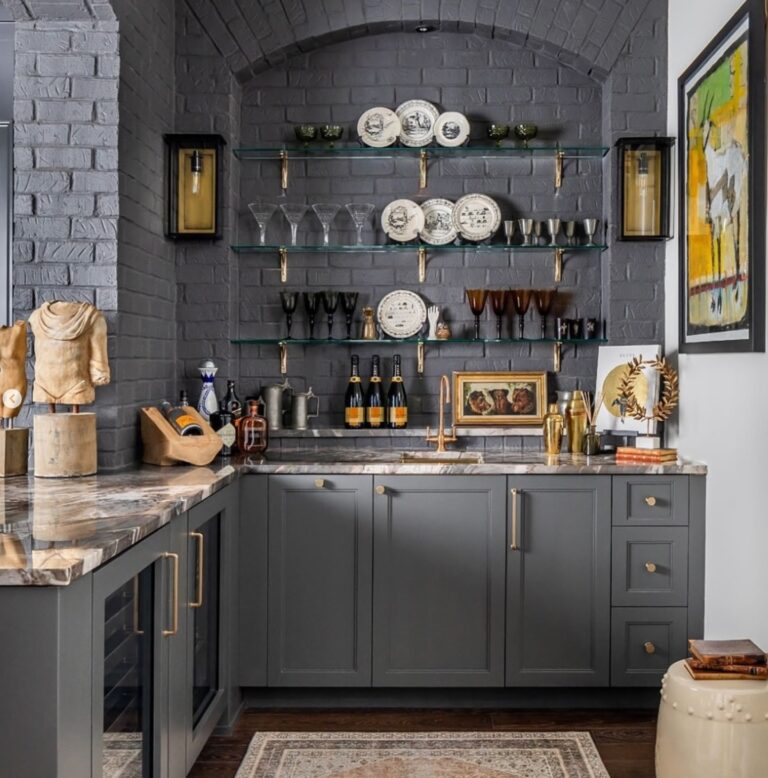
A dedicated bar is one of the most natural locations for either appliance. The decision depends on whether the bar primarily supports wine service or a broader beverage program.
Dining Area
A wine fridge near a dining space can make entertaining more convenient, particularly when wine is central to meals.
Outdoor Kitchen
A beverage center can be especially useful for outdoor entertaining, where guests may need convenient access to chilled drinks without entering the house.
However, outdoor installations require appliances specifically designed and rated for the environment. Interior-rated refrigeration should not automatically be assumed suitable for an outdoor kitchen.
How Much Capacity Do You Really Need?
Capacity is another area where homeowners can make an expensive mistake.
Think beyond today’s collection.
A small appliance may initially appear sufficient, but storage requirements often increase after a kitchen remodel. A homeowner who begins collecting wine, entertaining more frequently, or purchasing larger-format bottles may quickly outgrow a compact unit.
Before selecting an appliance, estimate:
- How many beverages you typically keep chilled.
- How many bottles you want available at one time.
- How often you entertain.
- Whether your collection is likely to grow.
- Whether oversized bottles need to be accommodated.
- Whether the appliance will be used for daily beverages or primarily entertaining.
A luxury kitchen should be designed around how the household actually lives, not merely the appliance’s published capacity.
Why Working With a Luxury Appliance Specialist Matters
Selecting a premium appliance involves more than comparing features online.
A knowledgeable appliance specialist can help evaluate the interaction between product specifications, kitchen design, installation requirements, and long-term service.
For homeowners researching high end appliances Atlanta, an in-person showroom experience can also provide an opportunity to compare door operation, shelving configurations, finishes, controls, and overall construction before making a significant investment.
This matters even more for custom builders and designers. A beverage center or wine fridge must fit not only the homeowner’s preferences but also the project’s architectural drawings and installation schedule.
A built in refrigerator dealer with experience in luxury kitchen projects can help identify dimensional or installation considerations before they become job-site problems.
What Luxury Homeowners Should Ask Before Buying
Before making the final selection, ask:
1. What will we store most often?
If your answer is mostly wine, lean toward specialized wine storage. If the answer includes many different beverages, a beverage center may provide greater utility.
2. Where will the appliance be installed?
The location determines accessibility, cabinetry requirements, electrical planning, and potentially ventilation considerations.
3. Is the appliance part of the design?
If the goal is a seamless luxury kitchen, look for integration and finish options that complement the cabinetry.
4. How important is long-term service?
A premium appliance deserves a premium installation and service strategy. Consider who will install the appliance and who will support it after installation.
5. Will our needs change?
Plan for future entertaining habits, collection growth, and changes to the household.
Recommended Brands for Beverage Center and Wine Fridge
When selecting a luxury beverage center or wine fridge, working with top-tier manufacturers ensures optimal temperature stability, long-term reliability, and seamless architectural integration. Premier luxury brands to consider include:
-
Sub-Zero: The gold standard in luxury refrigeration, known for industry-leading wine preservation and customizable undercounter beverage units.
-
Perlick: A commercial-grade luxury leader offering high-performance undercounter refrigeration, wine reserves, and versatile beverage centers.
-
U-Line: Pioneers in undercounter refrigeration, offering specialized Wine Captain® models and customizable beverage centers.
-
Thermador: Offers sleek, integrated wine columns and undercounter beverage units that fit seamlessly into high-end kitchen cabinetry.
-
Miele: Renowned for precision German engineering and sommelier-grade wine conditioning units with specialized humidity control.
-
Monogram: GE’s ultra-luxury line featuring built-in beverage centers and dual-zone wine reserves with refined panel-ready designs.
-
Dacor: Known for innovative luxury appliances, including built-in wine dispensers and high-performance beverage refrigeration.
-
Viking: Delivers professional-grade performance with heavy-duty wine cellars and climate-controlled beverage centers.
-
XO Appliances: A specialized luxury brand offering dedicated undercounter beverage centers, wine coolers, and outdoor-rated refrigeration.
-
Zephyr: Combines modern design with advanced cooling features, offering stylish undercounter beverage centers and wine fridges.
-
Café: Offers customizable hardware and sleek finishes across high-end undercounter beverage centers and wine storage units.
-
KitchenAid: A reliable high-end choice offering versatile undercounter wine cellars and flexible beverage centers.
A Practical Decision Framework
For homeowners comparing high end appliances Atlanta, the following framework can simplify the decision:
Choose a beverage center when flexibility is the priority.
Choose a wine fridge when wine storage is the priority.
Consider both when your home has substantial entertaining needs and sufficient space.
In larger luxury kitchens, you don’t need to force every beverage function into a single appliance. A beverage center in a primary entertaining zone and a wine fridge in a bar, dining area, or wine room can provide complementary functionality.
This approach can be especially effective in custom homes where appliance placement is considered during the architectural and cabinetry planning stages.
Visit a Luxury Appliance Showroom Before You Decide
Seeing appliances in person can reveal differences that specifications alone cannot communicate.
At Howard Payne Company, homeowners, builders, and designers can explore premium kitchen appliances and discuss how specialty refrigeration fits into a broader kitchen plan. Our team can help evaluate function, dimensions, installation requirements, design integration, and long-term usability before a purchase is finalized.
For those searching for high end appliances in Atlanta, the showroom experience provides an opportunity to compare products and make decisions with the entire kitchen—not just one appliance—in mind.
Whether the project involves a new custom home, a major renovation, or a carefully designed entertaining space, choosing the right refrigeration solution starts with understanding how the space will actually be used.
Visit Howard Payne Company to explore luxury appliance options and schedule a consultation for your next kitchen project.
Frequently Asked Questions
Is a beverage center the same as a wine fridge?
No. A beverage center is designed for a variety of drinks, while a wine fridge is specifically configured for wine storage and organization.
Can I store wine in a beverage center?
Yes, a beverage center can store wine, but a dedicated wine refrigerator may provide more specialized shelving and temperature-control features for wine.
Is a wine fridge worth it for a small wine collection?
It can be useful when convenient, organized, temperature-controlled wine storage is important, even if the collection is relatively small.
Where should a beverage center be installed?
Common locations include kitchens, butler’s pantries, home bars, outdoor entertaining areas, and other beverage stations, provided the selected appliance is appropriate for the installation environment.
Should I buy a beverage center or wine fridge first?
Start by identifying what you store and serve most frequently. Choose a beverage center for broad beverage flexibility and a wine fridge when wine storage is the primary requirement.